Hidden Health Risks: Dealing with Mold in Carpet Padding
Why the Carpet Padding Matters
Most people only think about the visible carpet when they notice a musty smell or a damp spot. But the real trouble often lives beneath the surface, in the carpet pad. That soft layer between the carpet and the subfloor can trap moisture, pet urine, and flood residue for months or even years. By the time you suspect mold in carpet padding, the problem has already spread beyond what a quick shampoo can fix.
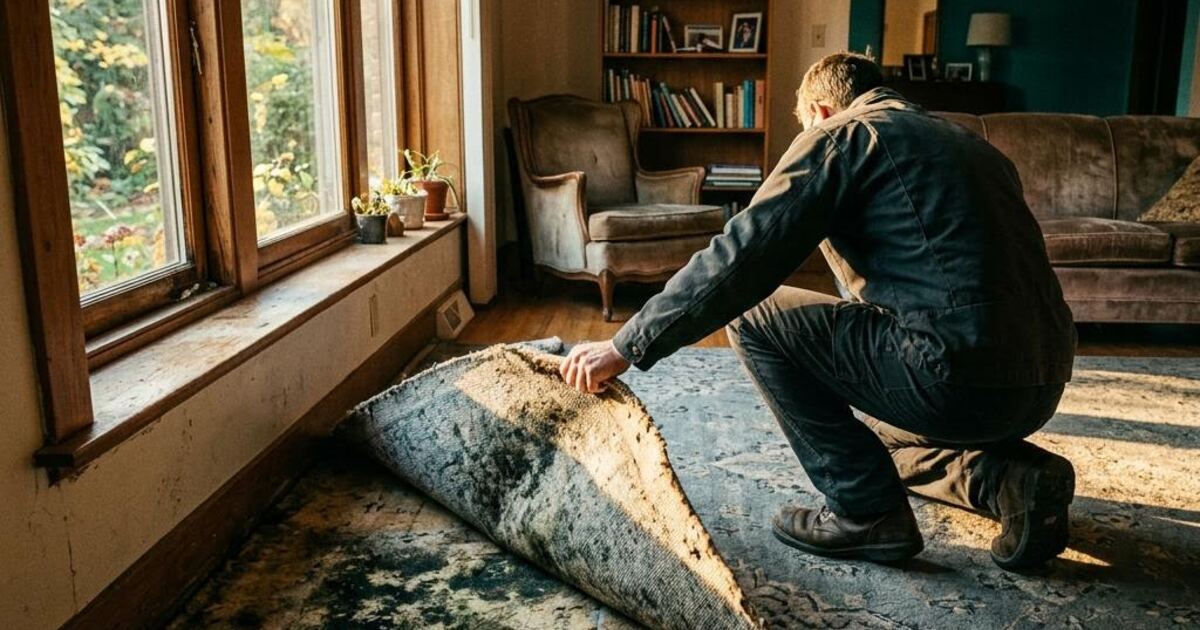
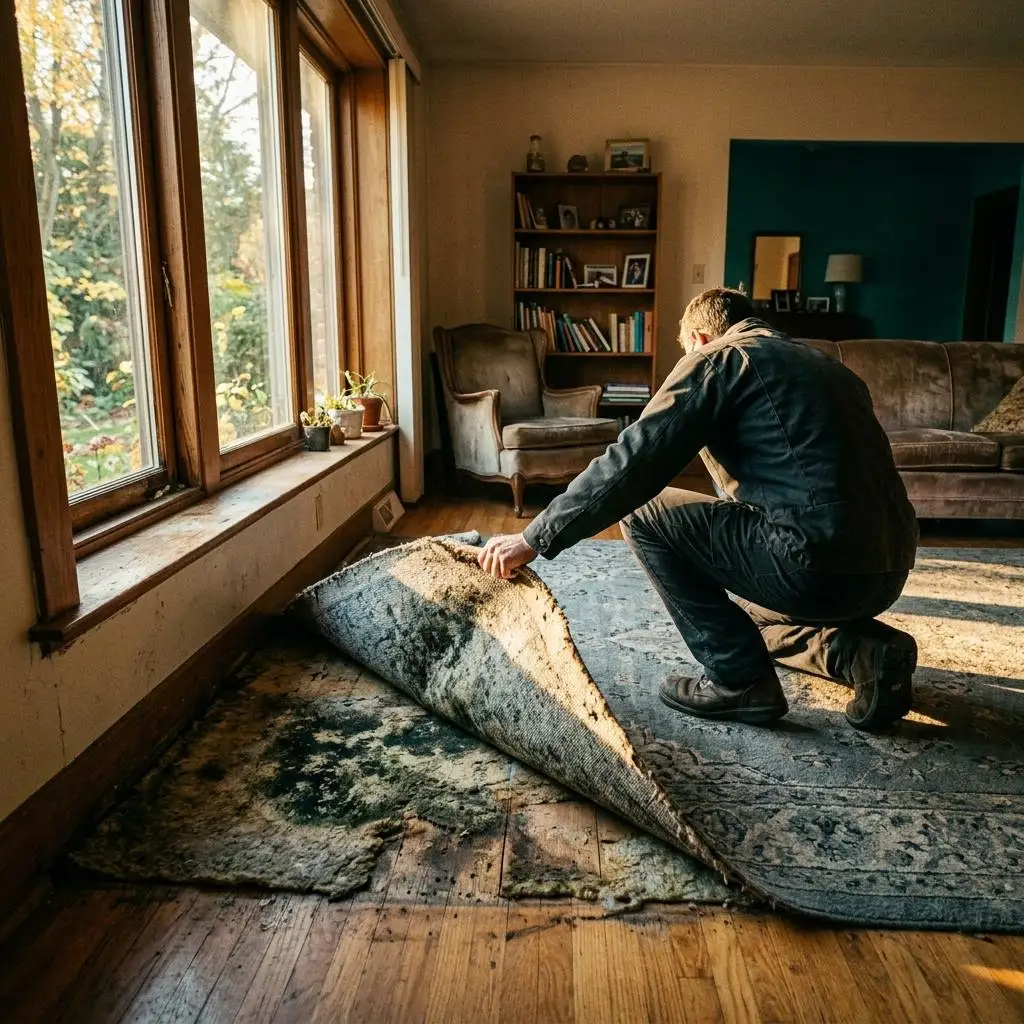
I have worked on water damage restoration jobs where the homeowner had cleaned the carpet three times but still could not get rid of the mildew odor. In every case, the source was the padding. Once you pull up the carpet and expose that layer, the black mold is unmistakable. It grows in dark, humid spaces, and the pad provides the perfect environment: porous, warm, and often hidden from light.
What Causes Mold in Carpet Padding
Moisture is the trigger. Basement moisture from a high water table or a slow leak in the foundation can keep the pad damp enough for mold to take hold. Crawl spaces that lack proper ventilation allow humid air to rise through the subfloor, condense under the carpet, and feed the growth. Even a small spill that is not dried quickly can start a colony inside the padding.
Flooding is the most obvious cause, but everyday events like a burst pipe, a leaking washing machine, or repeated pet accidents are just as dangerous. Pet urine soaks through the carpet and into the pad, creating a nutrient-rich environment for mold and bacteria. Professional carpet cleaners can extract some of the moisture, but they cannot always reach the pad completely, especially if the padding is thick or the subfloor is uneven.
Signs You Might Have Mold in the Pad
- A persistent musty or earthy smell that gets stronger when the room is closed up.
- Visible dark spots on the carpet that bleed through from the layer below.
- Warped or discolored subfloor when you lift a corner of the carpet.
- Health symptoms like sneezing, headaches, or coughing that only happen in that room.
If any of these signs are present, it is time to consider a subfloor inspection and a professional assessment. Do not assume that a fresh carpet cleaning will solve the problem. In many cases, the pad must be removed completely.
Why It Is Hard to Fix Yourself
Some homeowners try to treat the pad with bleach or a store-bought fungicide, but that rarely works. The pad is thick and absorbent, and surface treatments do not penetrate deep enough to kill the roots of the mold colony. Even if you dry the top layer, the moisture barrier created by the pad itself can trap humidity underneath, allowing the mold to regrow.
Another risk is disturbing the spores. When you pull up the carpet or walk on it, you can release a cloud of mold spores into the air. Without proper containment, those spores spread to other rooms and attach to furniture, curtains, and HVAC vents. An air scrubber with a HEPA filter is essential during any removal work, but most people do not own one. Renting one for a weekend can help, but the real challenge is ensuring that every spore is captured and that the area is sealed off.
The Role of Professional Mold Remediation
Professional mold remediation involves more than just tearing out the old pad. A certified technician will perform a thorough inspection, including checking the subfloor for rot and measuring moisture levels in the concrete or wood beneath. If the subfloor is compromised, it must be dried, treated with an antimicrobial treatment, and sometimes sealed with an encapsulation coating to prevent future growth.
During the removal process, the team uses a HEPA vacuum to capture airborne spores, followed by an antimicrobial treatment on the subfloor and the surrounding baseboards. In some cases, an ozone treatment is applied to neutralize odors deep in the fibers of the carpet or the walls. The goal is not just to remove the visible mold but to restore the indoor air quality to a safe level. Following EPA guidelines and IAQA standards ensures that the work is thorough and that the space is safe to reoccupy.
When Replacement Is the Only Option
There are situations where cleaning the pad is not possible. If the padding is saturated from a flood or a long-term leak, it must be cut out and replaced. The same goes for padding that has been soaked with pet urine for months. Even after professional cleaning, the pad may retain odors and bacteria that no amount of treatment can eliminate. In those cases, the only safe path is to remove the carpet and pad together, treat the subfloor, and install new padding with a proper moisture barrier underneath.
Some newer carpet pads come with built-in moisture resistance, but they are not foolproof. A moisture barrier helps slow down the wicking of water from the subfloor, but it does not prevent mold if water sits on top of the barrier for too long. Regular inspection and quick response to leaks are still the best defense.
Preventing Mold from Returning
Once you have dealt with the immediate problem, prevention becomes the priority. If the room is in a basement or over a crawl space, improving ventilation and adding a dehumidifier can lower the humidity level below the threshold where mold thrives. Sealing cracks in the foundation and fixing any grading issues that direct rainwater toward the house will reduce the moisture load on the subfloor.
For homes with a history of flooding, consider using a carpet pad that is designed for high-moisture areas, or skip carpet altogether in favor of tile or vinyl in the lowest level. If you do install carpet, have it professionally cleaned at least once a year and dry it thoroughly after any accidental spills. A professional carpet cleaner can sometimes spot early signs of mold in carpet padding before it becomes a full-blown infestation.
The Bottom Line
Mold in carpet padding is not something to ignore. It can cause structural damage to the subfloor, trigger allergic reactions, and create a persistent odor that lowers the comfort and value of your home. The key is to act fast when you notice a smell, a stain, or a change in your own breathing. Do not wait for the problem to get worse. A combination of quick drying, professional inspection, and proper remediation can save you from a much larger renovation down the road.
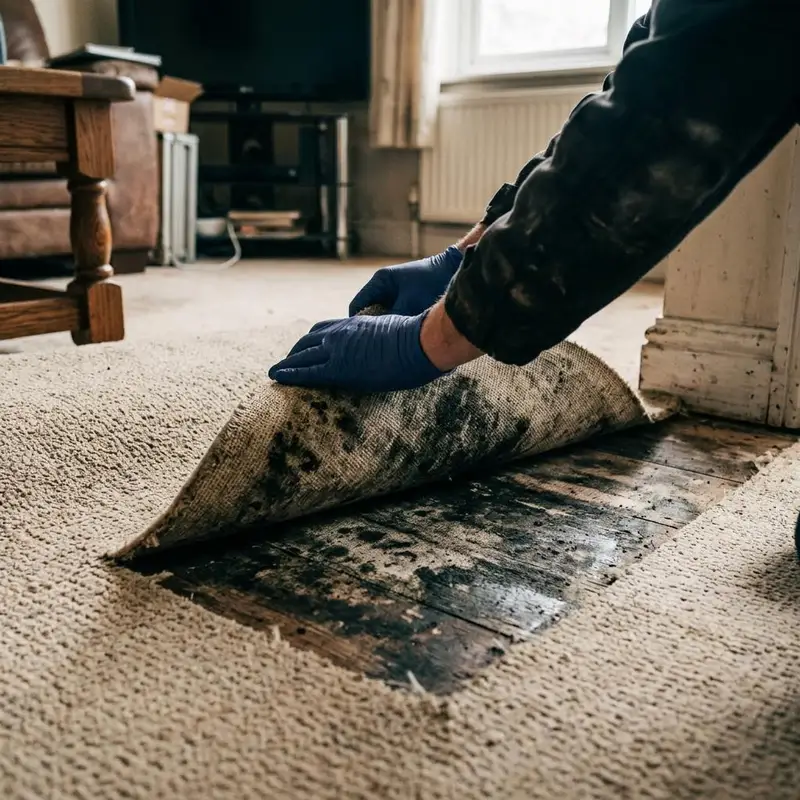
If you suspect that the mold has spread beyond the padding, a full subfloor inspection by a trained technician is the safest next step. They can determine whether the subfloor needs drying, treatment, or replacement. And if you are dealing with a rental property or a commercial space, the same principles apply. Tenants and employees have a right to clean air, and mold in the padding is a direct threat to that right.
Ultimately, dealing with mold in carpet padding requires a mix of practical judgment and professional help. There is no shortcut. But with the right approach and a commitment to thoroughness, you can restore your space to a healthy condition and keep it that way.